
CHECK BACK NEXT MONTH!
CHECK BACK NEXT MONTH!
I’m still a neophyte when it comes to indie-publishing, so I pay attention when the experts talk about it. As you can tell from the sidebar on this blog, I’m a follower of several of the better-known masters in the field.
A few months ago, Joe Konrath put out a nice blog post about how our job as an indie-writer-publisher isn’t done once the title is published. There’s a lot more to do. You’ve got to tend your garden. In addition to the basics (a website, web presence and a newsletter), he suggests experimenting with pricing, making sure you’re up on multiple platforms, and advertising (Bookbub and the like), and on occasion, new cover art.
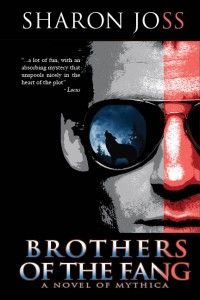
Published last year, Brothers of the Fang is an urban fantasy with a male protagonist that in spite of a nice review from Locus, has not done as well as I would have expected. After experimenting with the price (to no avail) and and unsuccessful request to Bookbub, I decided to redo the cover. The original cover was only the third I’d ever designed, and I thought the bold yellow and black color scheme and cover art would be eye-catching. I still do, but have come to accept that the cover is not catching the eyes of my intended readers. It doesn’t have that urban fantasy ‘look’.
So here’s the new cover, with the old one next to it for comparison.


A more traditional look. What do you think?

Here another useful tool I use when I’m dancing around, trying to find my plot. I find that once I’m able to answer the following 9 questions, the story has pretty well coalesced and I’m ready to start outlining and/or writing. I’ve gathered and combined these ideas from a bunch of more experienced authors ((Blake Snyder, Dean Wesley Smith, Kristine Kathryn Rusch, Larry Block, and David Farland, to name a few), and while this process works for me, your milage may vary.
By the time I’ve answered these questions, I’ve got a pretty good idea who my protagonist and antagonist are (as well as several of the key characters) and have written a dozen or so pages of backstory, motivations, and goals for my main character(s). I’ve got plot threads, a character arc, and a riveting opening scene.
Not to mention a great story to tell. Let the fun begin…
 Beginning a new novel is hard. At least for me.
Over the years, I’ve developed an evergreen checklist of sorts to help me organize my thoughts BEFORE I start writing. I’ve gathered most of these ideas from more experienced/successful writers (Blake Snyder, Dean Wesley Smith, Kristine Kathryn Rusch, Larry Block, David Farland), but I used it on my current WIP (my 5th novel), and man oh man, it was a big help. I call this PART I of my ‘jumpstart list’. Nothing here is new, but it sure helped get me into gear on this particular project. I created it as a WORD document, and keep everything all in one place so that I don’t have to keep looking for it. By the time I was able to answer these questions, my story was a living, breathing organism, and I couldn’t wait to start writing.
By the time I figured this stuff out (and really, none of it is too specific yet), I could feel the ideas percolating, and my novel idea started coalescing.
Up next: 9 Jumpstart questions I answer before I start writing.
Check back again next month!
There was a book signing tonight at one of my local bookstores, and I decided to go. I hadn’t read any of the author’s books, but he writes fantasy; something I enjoy reading anyway, so why not, right? Additionally, he’s a name author who lives in Oregon, so I thought I’d go out to support him.
Let me just add, that this was not my first book signing, and I had a pretty good idea what to expect. I’d buy the book, listen to a reading or brief Q&A, and wait in line to get it signed.
This was nothing like that.
Although I arrived well before the signing, the place was packed, with every seat either taken or ‘saved’ and a standing room only crowd, with more coming every minute. You had to have a ticket (free, but WTF!). At least three hundred people, many of them with multiple books stacked up for signing. Not only that, but these were big, thick, honkin’ 3-inch thick hardcovers. I’ve been to NY Times best-selling author signings with half that many in attendance. I had no idea he was so popular. I confess I did a quick check of his website, and I guess I’ve been living in oblivion for the past 5 years, because he is huge. He’s got a big name agent, a video, a book tour and everything.
It freaked me out.
I couldn’t get out of there fast enough. On the drive home, I caught myself envying this guy (a wonderful fellow and great writer, I’m sure) and his multitude of fans. And then I started feeling bad. About myself. My writing. Even the story I’m working on right now. I hate this feeling. The fear that I’m doing everything wrong. That I’ll never be good enough. I’ve learned to recognize the onset symptoms of a pity party, and know that if I let myself wallow in it, I can waste days or even weeks circling that drain. So when I got home, I reread a nice blog post Chuck Wendig wrote today that was eerily appropriate. Basically, he says (and we all know this) that you will never get anywhere comparing yourself to others. Heres the link if you want to read it.
So no more book signings for a while, for me, I think. I’m not strong enough. I’ll be getting back to work on my manuscript now.
 I admit it.
I love research.
And don’t think that just because I write speculative fiction and fantasy that I don’t need to do research. I do. I mean, sometimes, you just have to know the specific density of hippopotamus blood lipids in order to move forward with your story.
Right now, I’m knee-deep in it.
Between my local library, Wikipedia, online historical archives and special-interest websites, documentaries, and the UPS guy with my Amazon order, I’m adrift in a sea of information. There is no better time in the history of the written word to find out what you want to know; from the most secret and arcane to the latest discoveries.
Sometimes, I’m not even sure of what I’m looking for. While I do admit to finding myself down a rabbit hole more often than not, I’ve learned that research can lead to new ideas I hadn’t expected to find, which can in turn bring to light some intriguing new plot twists. Often as not, history is stranger than fiction.
Yes, I know; there are no new stories. No new plots. But when the writer combines their own unique ideas, experiences and beliefs with their own way of telling a story, and spices the brew with the flavor of history and facts, the end result is an exotic new recipe–hopefully, an intriguing and riveting tale.
So do your research. Stir the pot a little.
“…amusingly off-beat…fun…romp.”
- Locus
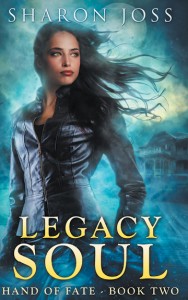
Click and buy NOW!
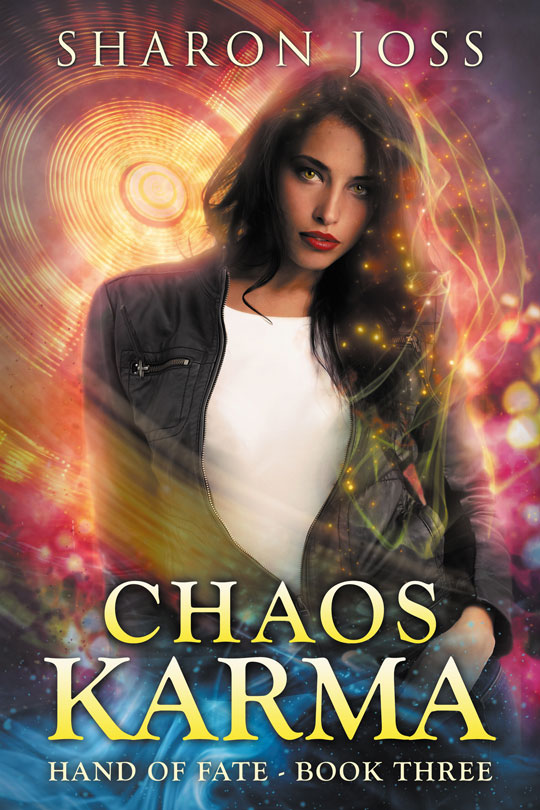
Click and buy NOW!
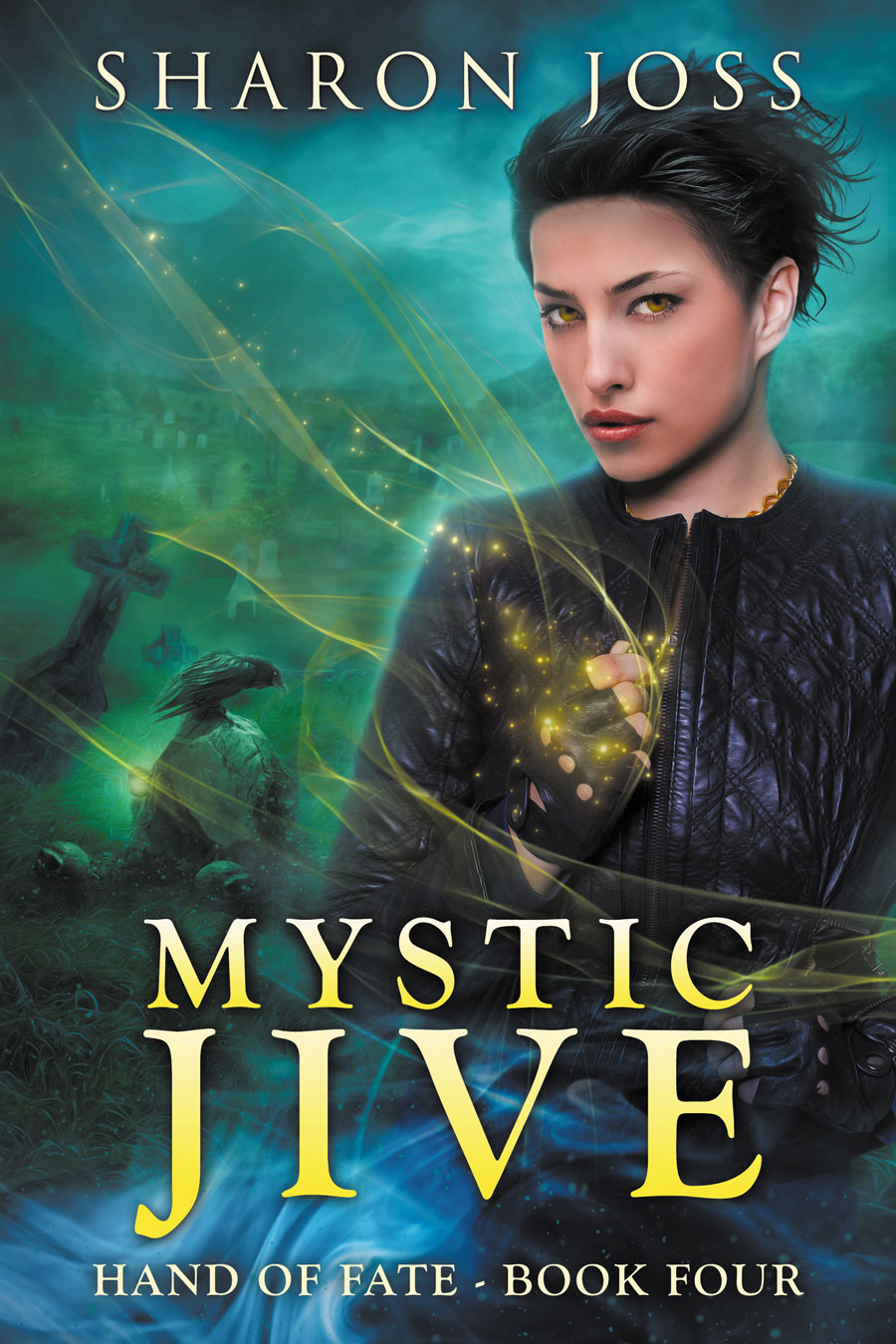
Click and buy NOW!
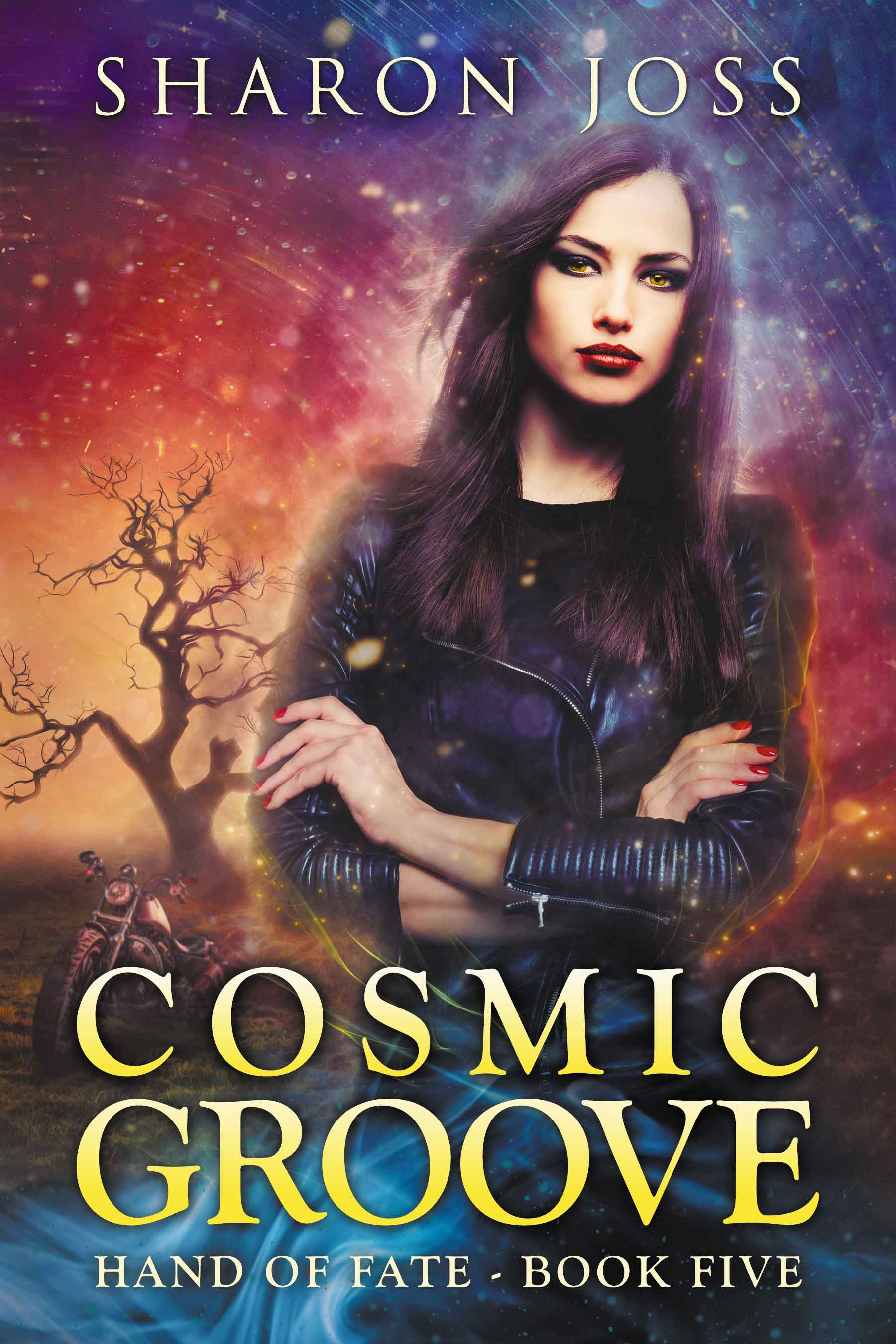
Click to buy NOW!
"... a lot of fun, with an absorbing mystery that unspools nicely at the heart of the plot. "
- Locus
Click and buy NOW!!
Click and buy NOW!
 SFWA BLOG SF&F MARKETING PODCAST SCALZI Walter Jon Williams Muddy Colors JA KONRATH – Newbie’s Guide to Publishing
Click and buy NOW!!
"... a lot of fun, with an absorbing mystery that unspools nicely at the heart of the plot. "
- Locus
“…amusingly off-beat…fun…romp.”
- Locus
Click and buy NOW!
Click and buy NOW!
Click and buy NOW!
JA KONRATH – Newbie’s Guide to Publishing CHUCK WENDIG SCALZI Walter Jon Williams SFWA BLOG Lindsay Buroker SF&F MARKETING PODCAST DAVID GAUGHRAN Muddy Colors
FANTASY FACTION